The Freedom Camping Manifesto: Rules, Waste Management & Etiquette
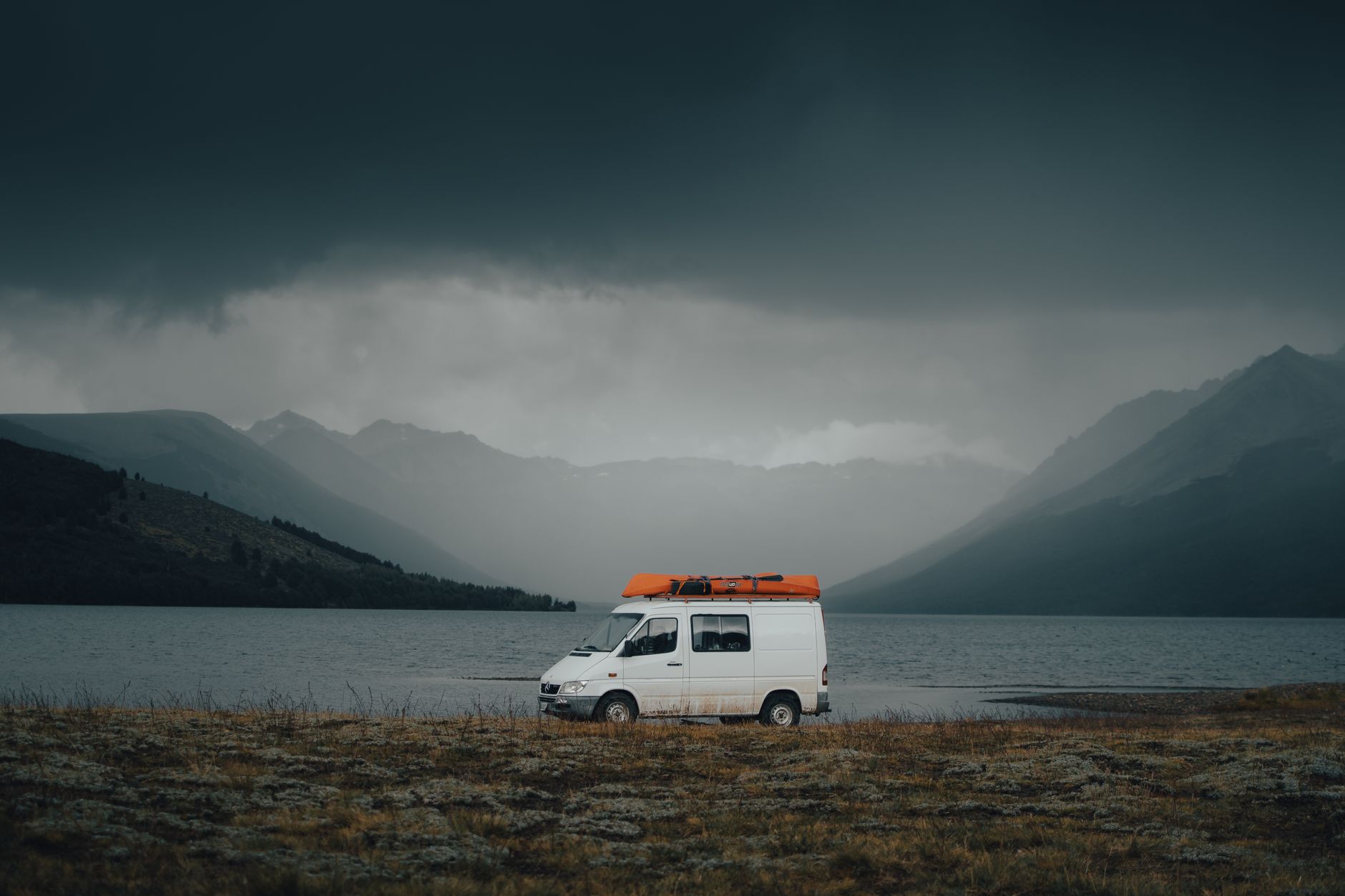
Sleeping beneath the southern constellations with the sound of surf or mountain rivers outside your camper window is arguably the defining New Zealand experience. Yet with this freedom comes deep civic responsibility.
1. The New Self-Containment Standards Explained
In recent years, New Zealand modernized its freedom camping legislation to eradicate roadside waste fouling. A vehicle can no longer claim freedom camping privileges merely by carrying an unplumbed portable chemical toilet in the boot.
Under the updated regulations, vehicles must possess an authenticated Green Warrant sticker verifying a permanently plumbed-in cassette or blackwater toilet usable while the bed remains set up. Blue warrant vehicles without permanently affixed amenities face restrictions on designated public conservation land.
Key Regulatory Takeaways
- Fines for illegal freedom camping on restricted council lands start at NZ$400.
- Always download verified camping verification apps like CamperMate or Rankers for real-time council bylaw maps.
- DOC conservation campsites (often costing between $10-$15 per night) provide clean long-drop facilities and support track maintenance.
2. Greywater Ethics & Dump Station Etiquette
Never discard greywater from dish washing or teeth brushing directly onto roadside gravel or into stormwater grates. Stormwater drains in New Zealand often flow directly into pristine trout streams and marine reserves.
Utilize the public network of free dump stations provided by local councils. When using a dump station, always rinse the disposal drain thoroughly, wash hands with provided non-potable taps, and never use the blackwater wash hose to fill your internal drinking water tanks.
3. Campground Etiquette: Quiet Hours & Light Hygiene
The wilderness belongs to all who seek respite. Keep high-intensity LED light bars turned off in conservation campgrounds after dark; excess illumination disrupts endemic nocturnal birds like the Kiwi and Ruru (morepork owl). Respect quiet hours starting at 9:00 PM, and pack away food securely to prevent inquisitive Weka from stealing camp cutlery.
Embarking on a Camper Journey?
Let us prepare a bespoke camp route detailing certified green locations and scenic off-grid sites.
Book a Campervan Route Session