Traversing the Southern Alps: An Unfiltered 12-Day High Country Guide
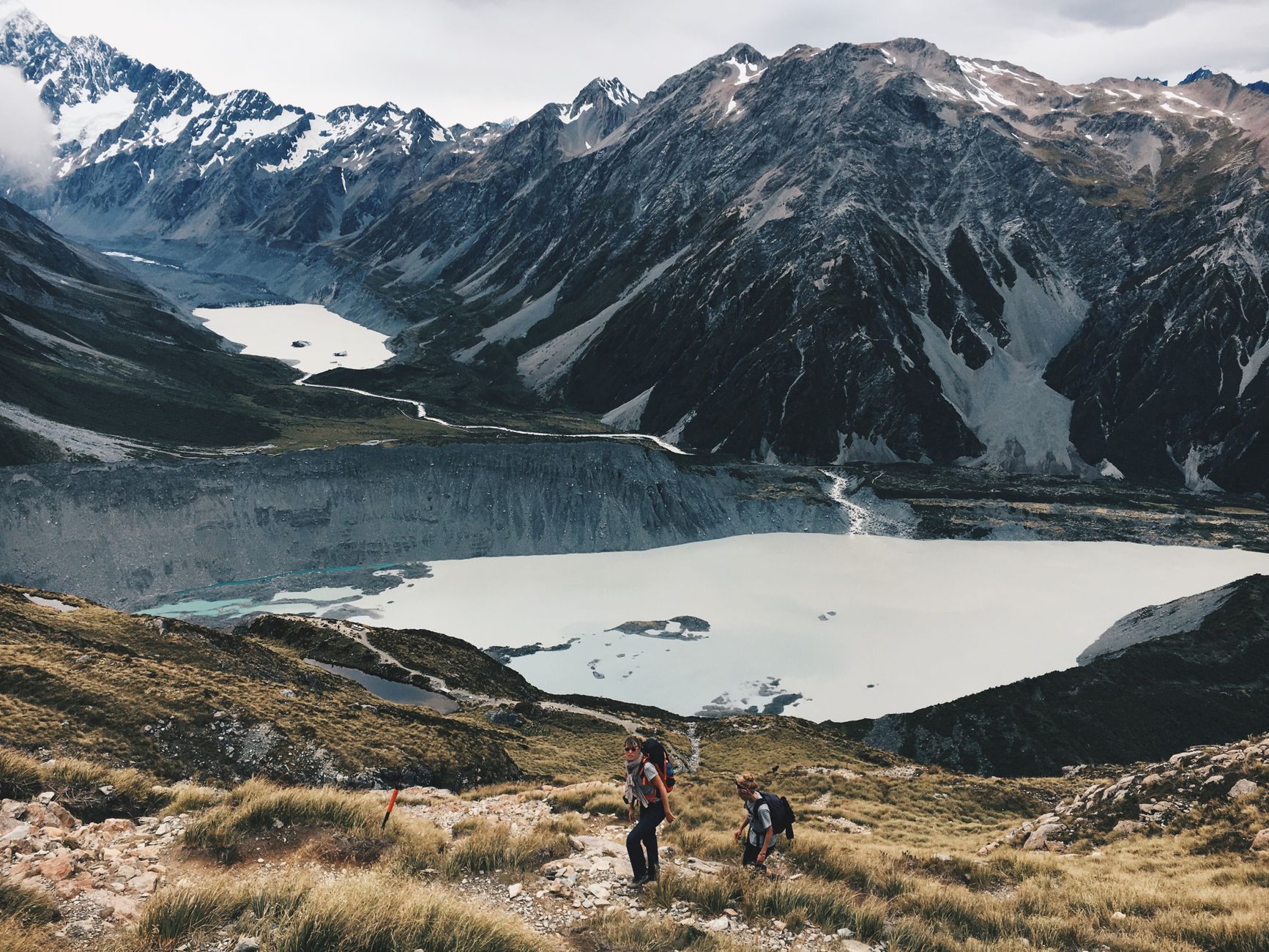
There is a distinct, iron-scented bite in the air when dawn breaks across the Canterbury high country. The Southern Alps (Kā Tiritiri o te Moana) do not coddle the daydreaming traveler; they reward reverence, patience, and meticulous pack discipline.
1. The Realities of Alpine Weather Windows
International guidebooks frequently gloss over the sheer rapidity with which a mild westerly can transmute into an aggressive southerly gale bearing freezing sleet. In mid-summer (January through February), temperatures at 1,400 meters can plunge from 24°C to below freezing within two hours.
When planning your transit through Arthur's Pass or the Lewis Pass corridor, do not rely on standard smartphone forecasts. Consult the New Zealand MetService Mountain Forecasts specifically. If a heavy rain warning is issued for the main divide, river ford levels can rise by three feet in ninety minutes, cutting off hut access.
Essential Pre-Trip Checklist
- Personal Locator Beacon (PLB) — essential; available for rental in Wanaka and Te Anau.
- Layered merino thermal base layers + seam-sealed 3-layer breathable hardshell.
- Offline topographical maps via NZ Topo50; battery packs insulated from cold night air.
2. Respecting the Backcountry Hut System
The network maintained by the Department of Conservation (DOC) represents one of the world's most democratic tramping infrastructures. However, maintaining this heritage requires uncompromising adherence to community ethics:
- Pack It In, Pack It Out: There are no rubbish bins in alpine huts. Every scrap of foil, used tea bag, and sanitary item must leave in your backpack.
- Water Conservation: Rainwater tanks rely solely on roof run-off. Use personal cooking pots responsibly and never rinse dirty tableware directly beneath the tank tap.
- Firewood Protocol: Burn dry deadwood only when a stove is present, and replenish kindling for the next arriving tramper who might arrive soaked from storm conditions.
3. River Crossing: The Paramount Hazard
Drowning remains one of the primary accidental hazards on New Zealand tramps. Remember the golden rule practiced by veteran Kiwi trampers: If in doubt, sit it out.
Never attempt to cross a milky, boulder-rolling river above mid-thigh height. Link arms in a triangular formation if crossing in groups of three, unbuckle your hip-belt before stepping into water to allow quick ditching of packs if swept off footing, and scan downstream for safe run-out eddies rather than rapids.
Need Assistance Planning Your Alpine Tramp?
Submit your route questions to our team for tailored feedback on seasonal hut bookings and emergency exits.
Consult With Our Team